Note: A reference letter from my supervisor is available upon request.
Who is Corvus Energy
Corvus Energy is the world’s leading supplier of battery energy storage systems for the maritime industry; powering electric and hybrid marine vessels.
My Role
As part of the prototyping team at Corvus Energy, I designed, built, and tested parts for their battery systems. I designed parts and assemblies in SolidWorks and produced manufacturing drawings and supporting documentation for my designs. I manufactured and assembled prototypes using CNC machines and shop tools. I used a Tormach CNC mill and 3D printers extensively for my projects. I executed battery system tests on thermal runaway, vibrations, adhesives, and environmental sealing. I wrote formal documentation such as risk analyses, test plans, test journals, and reports. Across my four-month term I owned work from ideation to finalized prototypes, completing 15 plus projects. I coordinated closely with other engineers while completing tasks with minimal supervision.
Skills
SolidWorks
SolidWorks was my primary design tool throughout my term. I worked extensively with large assemblies and parameter-driven models. I created all my manufacturing drawings in SolidWorks.
Machining and CNC
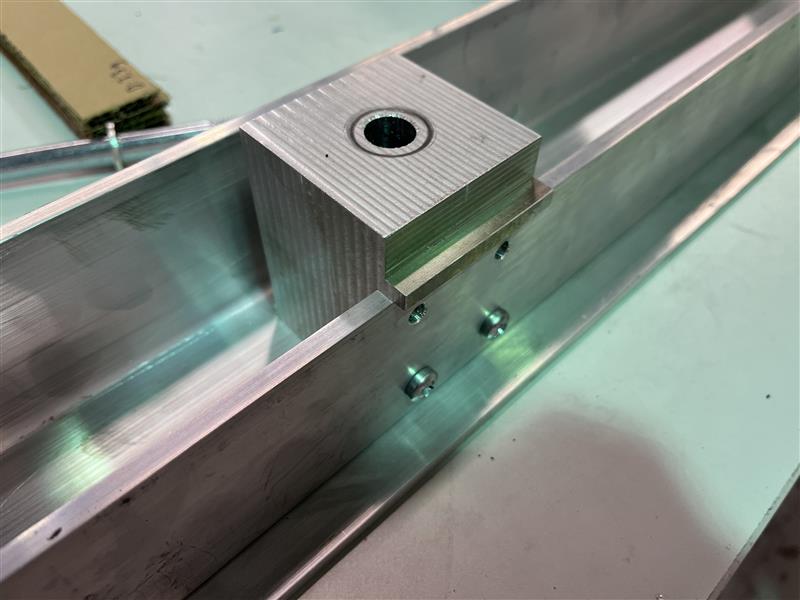
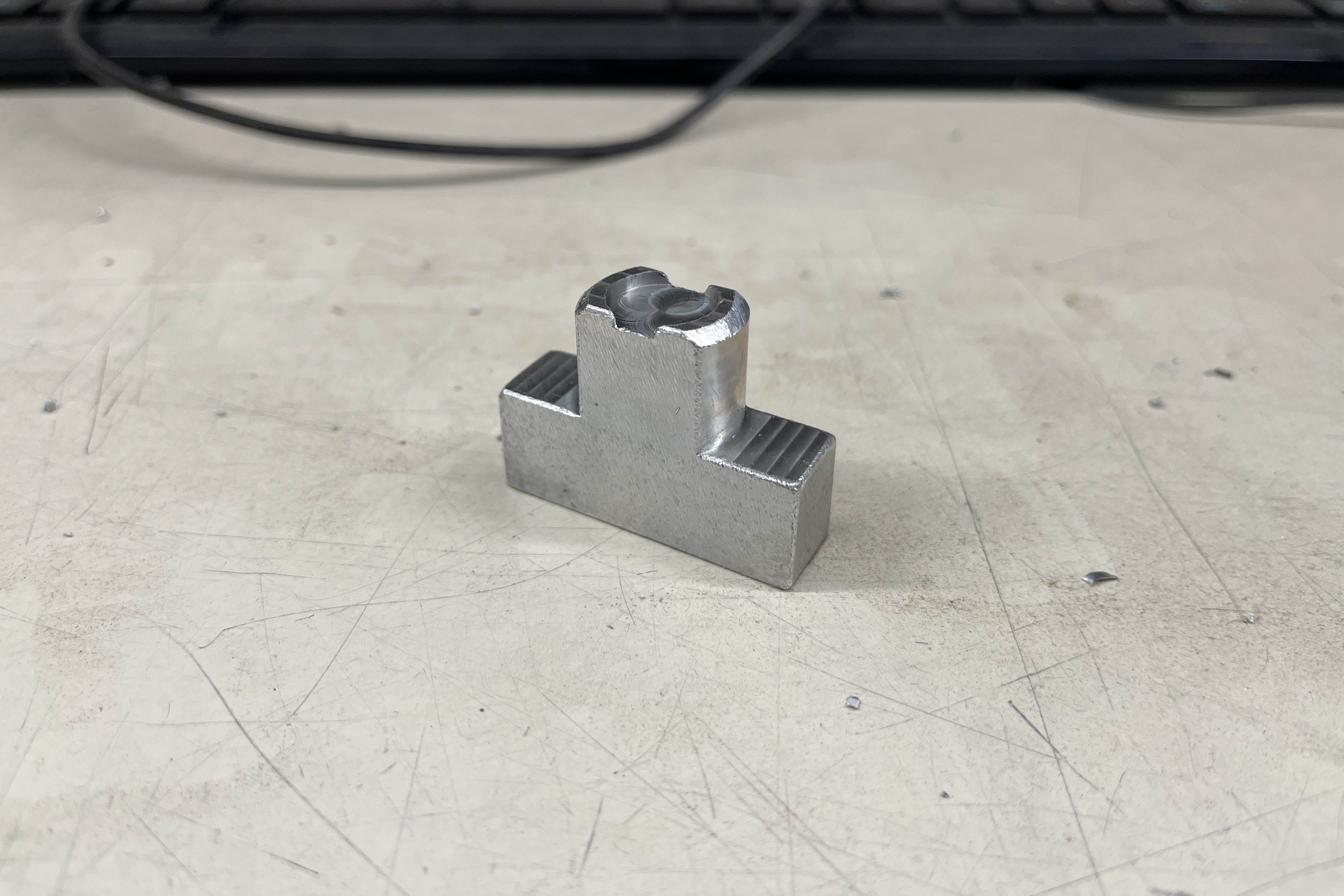
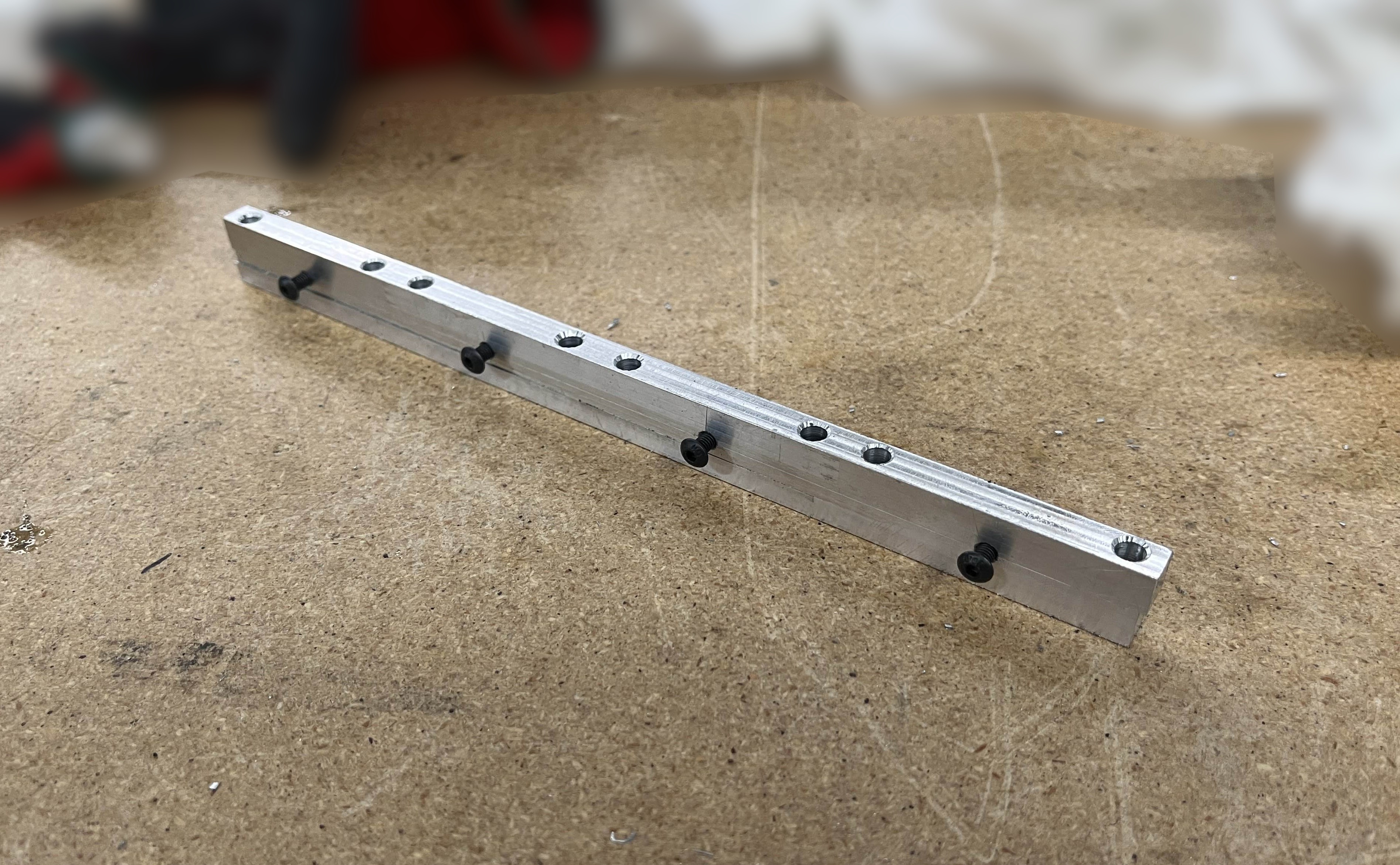
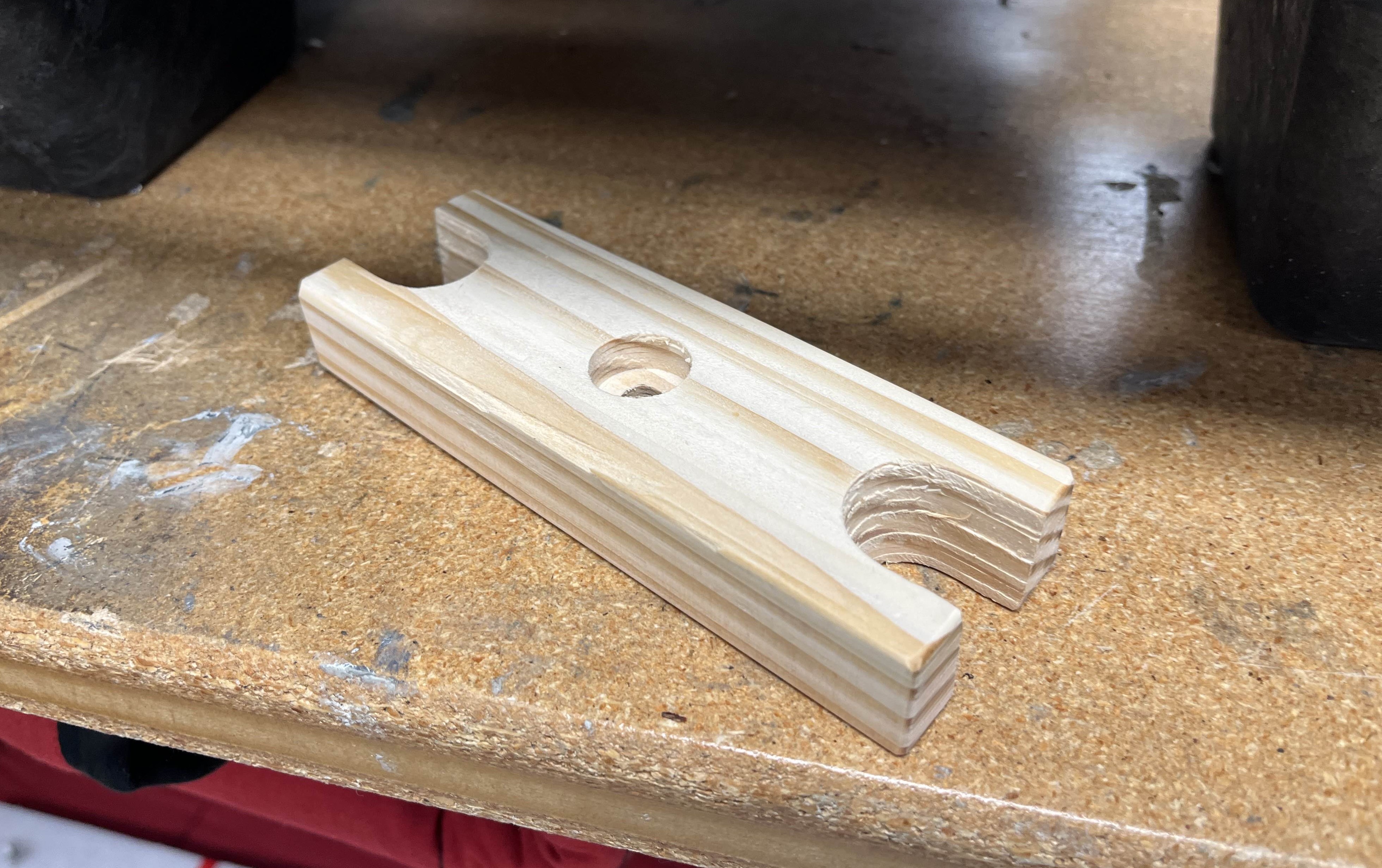
This co-op involved extensive hands-on prototyping using shop tools, CNC machining, and 3D printing. Much of my machining work was done on a Tormach CNC mill, where I used conversational machining and 3D toolpaths. The experience I gained here greatly complemented my previous machine shop training.
I wrote internal machining documentation for future co-ops, such as a machining guide with a focus on Tormach conversational machining. I also wrote instructions on mill setup, and how to use a dial indicator to ensure squareness.
Additionally, I used both BambuLab FDM printers and resin printers to create prototypes.
Documentation and Presentation Skills
Documentation was a key part of my role. I wrote thorough documentation, ensuring that the work I performed remained useful after my co-op ended. For tests, I wrote a test plan, a test journal, and a test report. For large projects, I documented the design and manufacturing process. Even for small tasks, I compiled my work in my bi-weekly sprint recaps. At the end of each sprint, I presented the work I did to my team and engineering management.
My Projects
Unfortunately, I’m unable to talk about most of the work I did, due to IP issues. I’ve included a few of my projects below, but do not have anything about most of the work I did on our prototype batteries.
Battery Lifting Jig
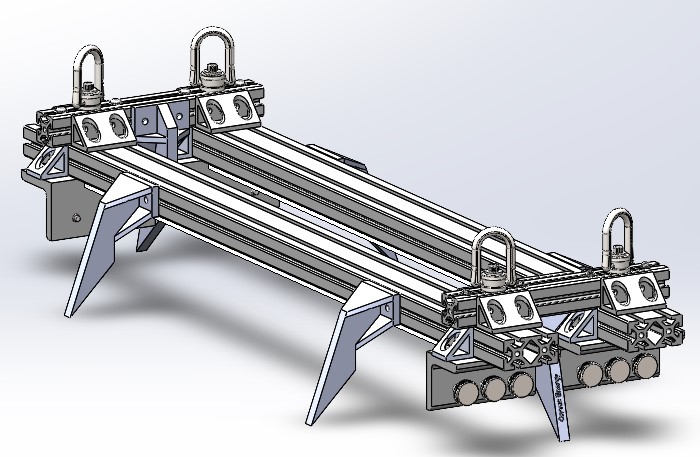
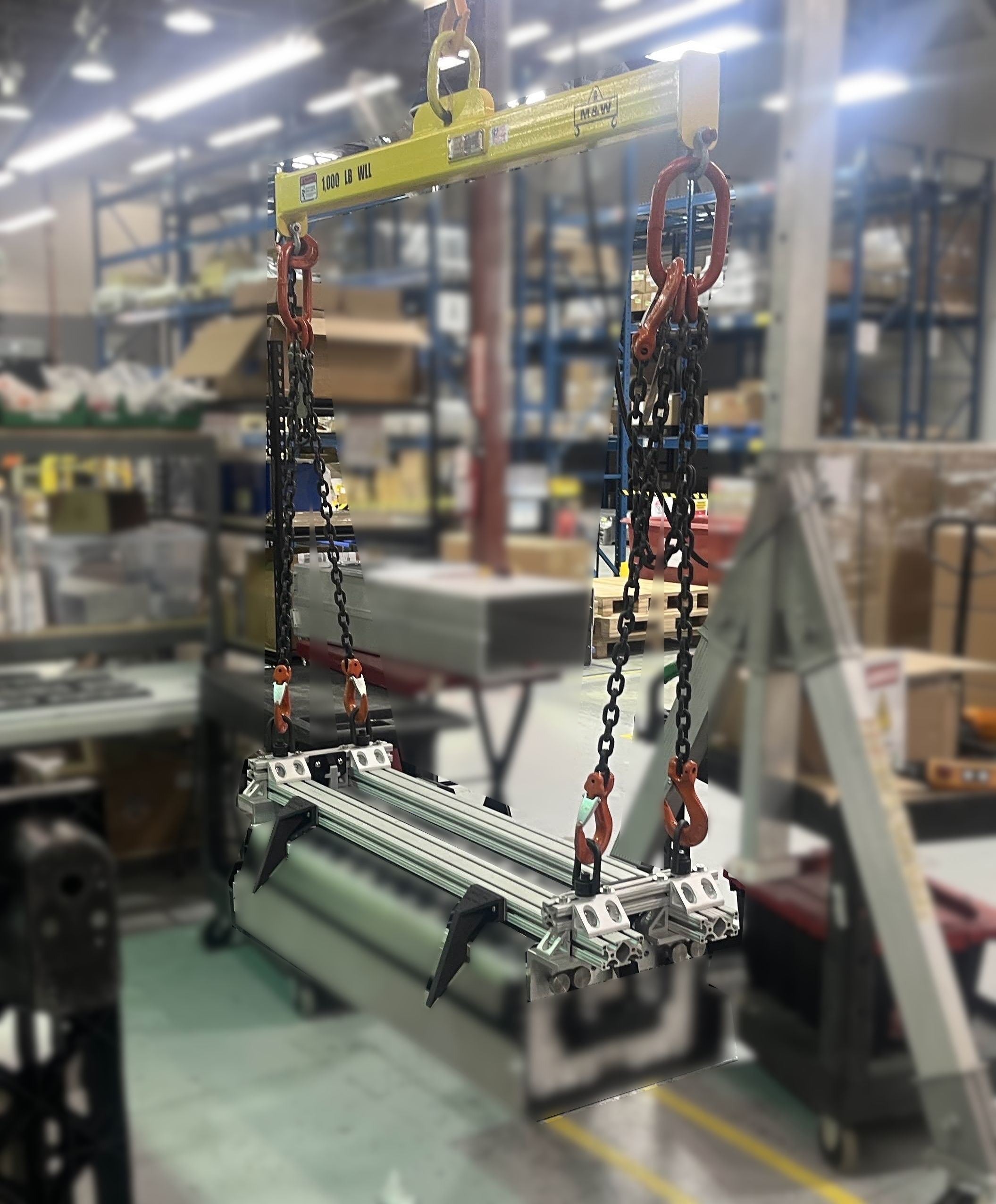
I designed and built this battery lifting jig in preparation for our team to work on a particularly heavy project, requiring the use of a hoist to move the prototype around. I designed the assembly in SolidWorks, making use of off-the-shelf parts from McMaster-Carr and aluminum extrusions.
I machined a few custom parts on the CNC mill, and 3D printed the non-structural parts. To validate my design, I ran FEAs in the area I determined to be the weakest point. In the final weeks of my co-op, I made modifications to this jig, such that it could be adapted for the team’s next two projects.
Battery Testing: Short-Circuit, Thermal Runaway, Vibration, Environmental Sealing
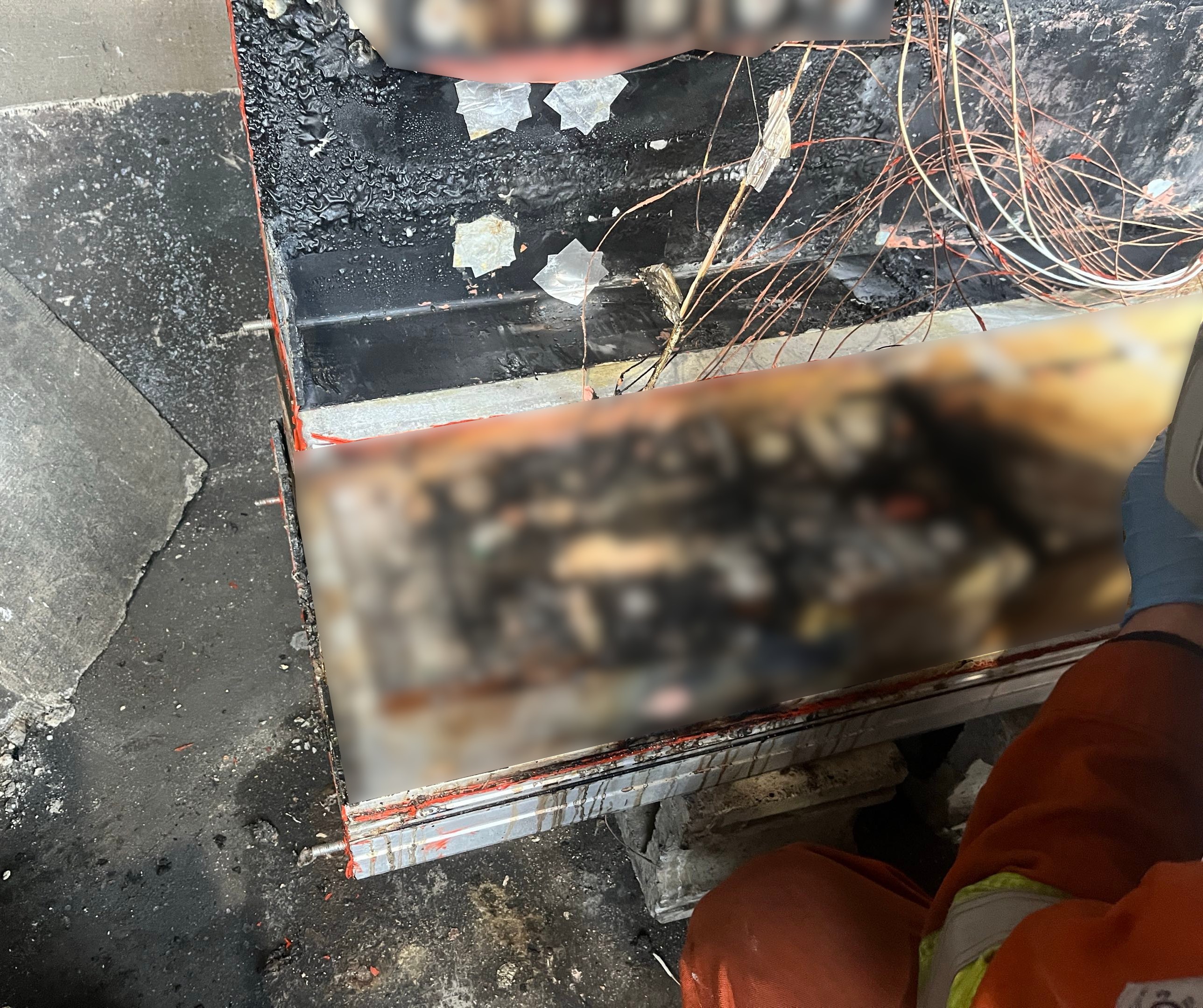
I performed and assisted with a variety of tests during my co-op. The most notable of which was a battery short-circuit test. For this test, I analyzed the risk of shorting battery cells at different states of charge, and therefore at different voltages. For this test, I first wrote a test plan, and designed a remote actuation system to start the test. I then wrote a safe work procedure, and assembled a test battery module. I instrumented the module with thermocouples and voltage pickups, and took measurements such as resistances between different areas of the battery module. Lastly, I ran the test, keeping a test journal, and documented my results in a test report.
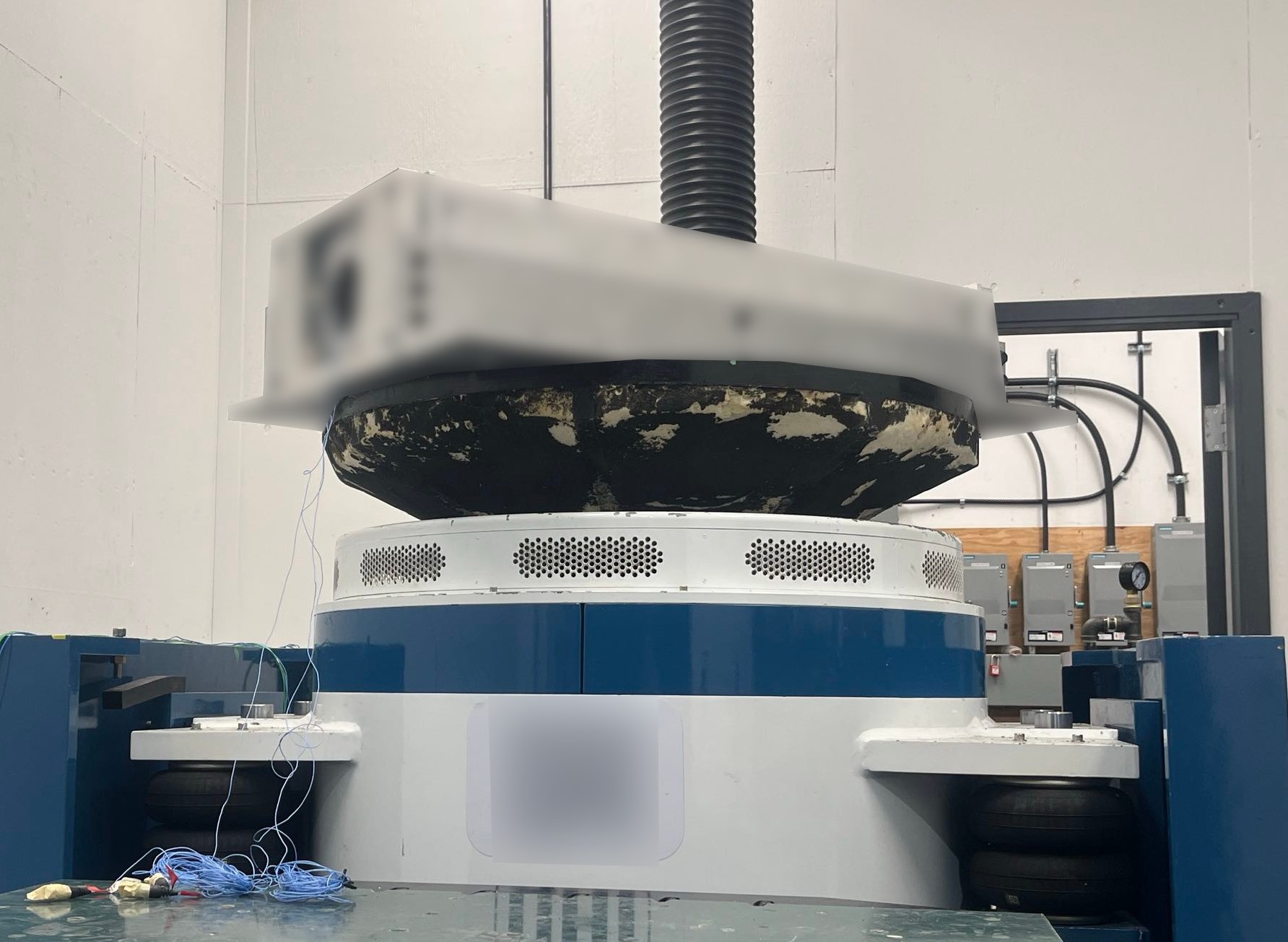
I also assisted with thermal runaway testing and vibration testing. This involved building the systems being tested, managing documentation and data acquisition, instrumentation, and visiting third-party labs. I wrote a test plan to characterize the performance of different thermal insulators, however my co-op term ended before that was performed.
Adhesive Testing
Throughout the course of my co-op, I performed several tests involving adhesives. Below are images from a few tests involving adhesive wetout patterns.
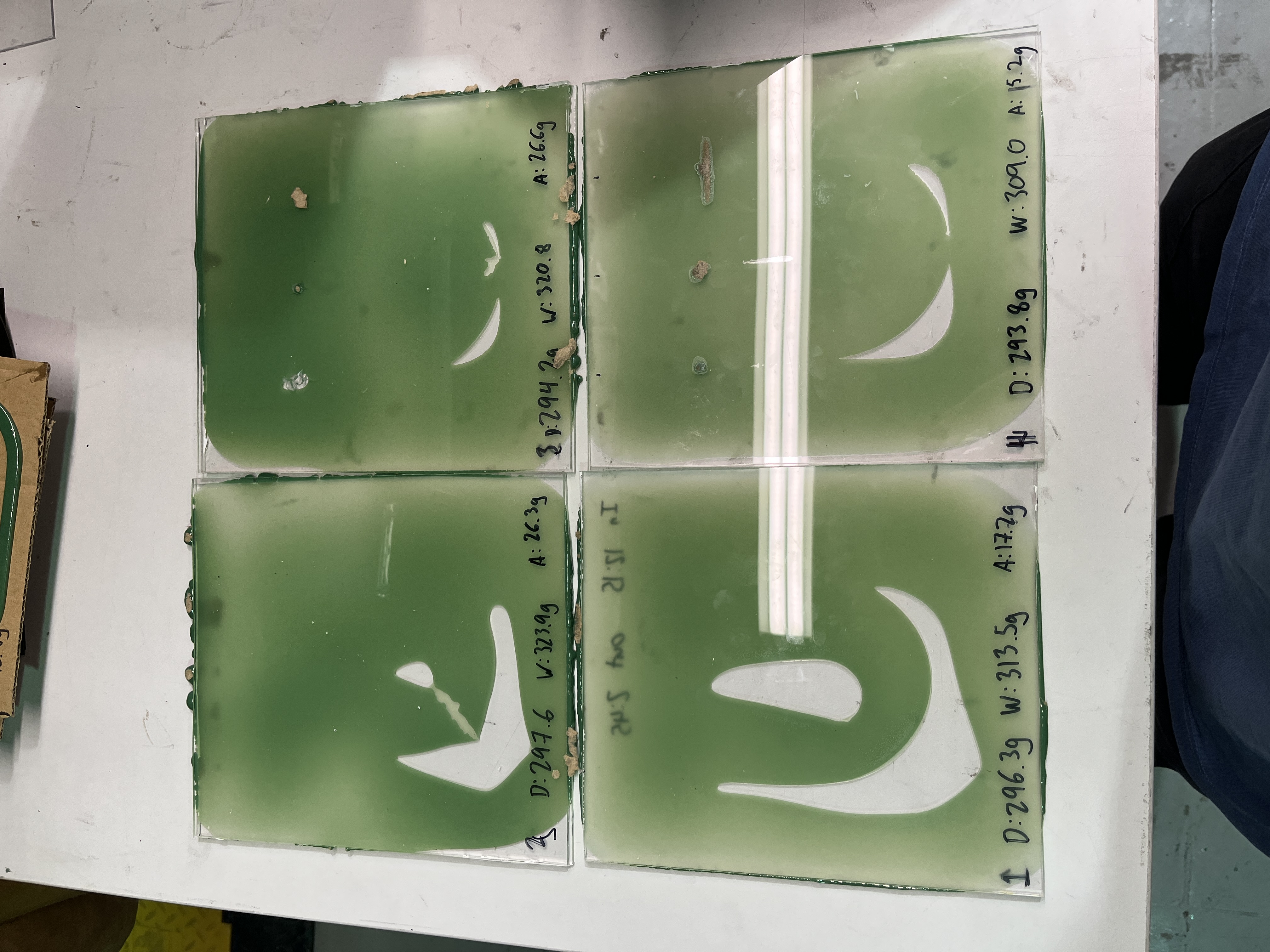
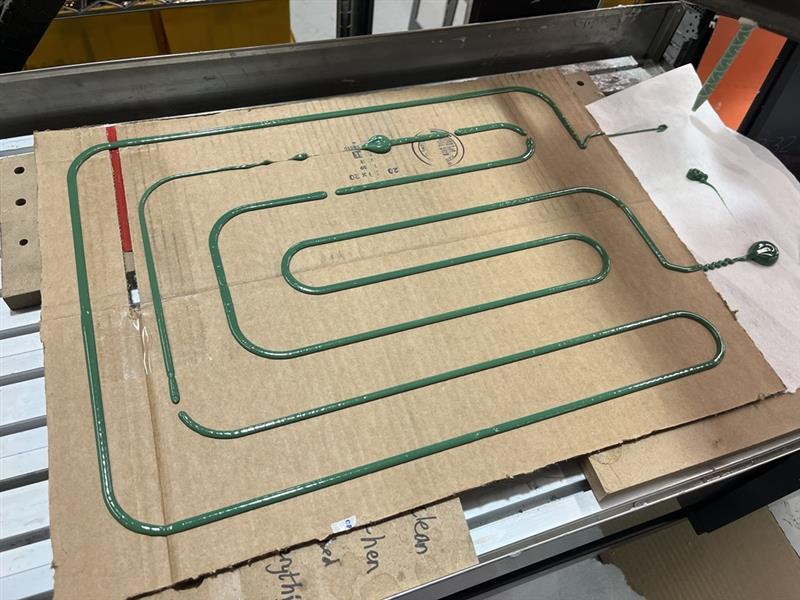
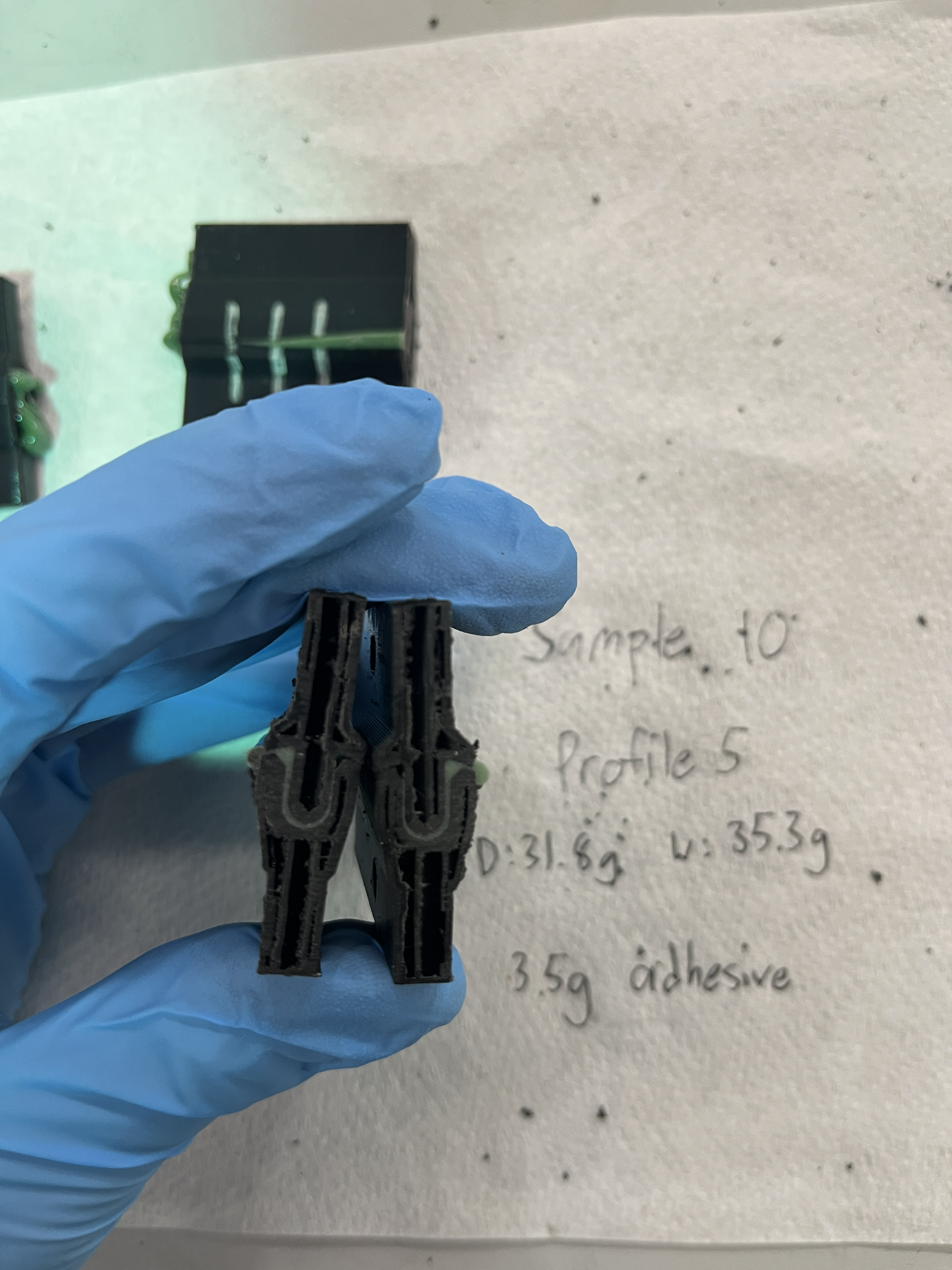
Left: A small scale test analyzing wetout of different amounts and patterns of adhesive. Centre: The left test was scaled up to full size. I can’t show photos of the prototype, however, this is the result of the GCode I wrote for the CNC adhesive dispenser as part of the full scale test. Right: I performed several tests to characterize the adhesive wetout of different joint geometries.
I also assisted in shear tests of adhesive samples, and characterization of adhesive performance under different temperature and humidity conditions (not pictured).
Pneumatic Press
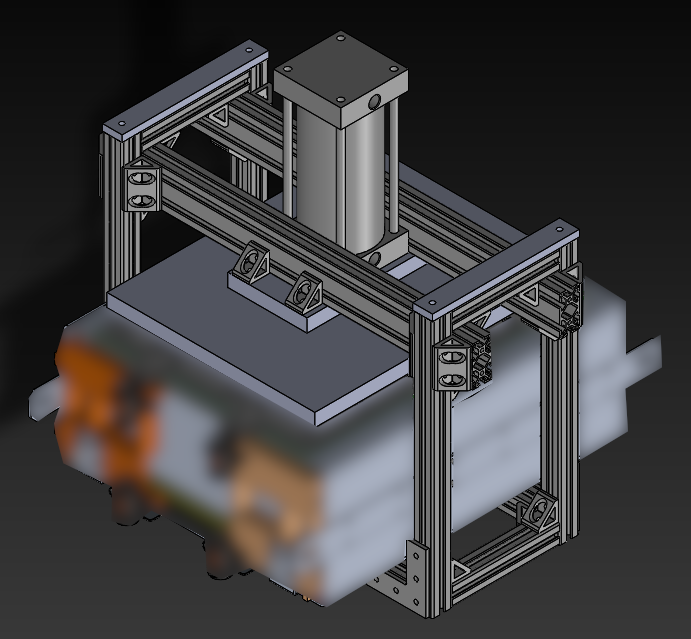
This is a pneumatic press I designed to be used in the assembly of battery prototypes.